
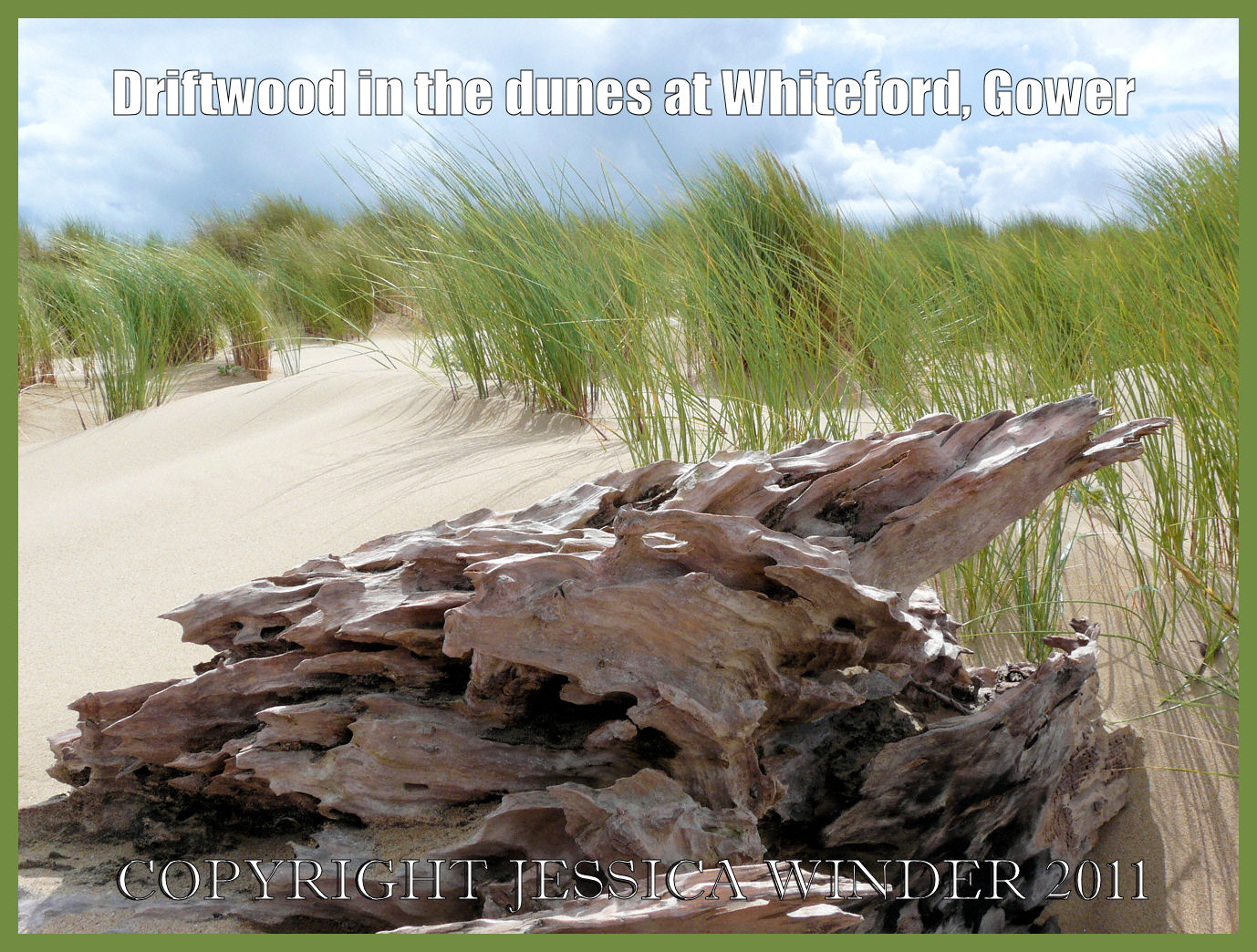
- Seashores are incredible places for anyone but especially the would-be natural historian and the photographer – with their abundance of flora, fauna, geology and other objects plus spectacular views, landscapes and seascapes.
- Beaches are a great resource for the budding biologist, ecologist, geologist, fossil-hunter, artist and photographer.
What does the seashore have to offer the amateur photographer?
- The photographer can document the extreme variety and variability of beaches including:
- animals, plants, rocks, fossils, artefacts and constructed features
- changes great and small
- in-situ and still-life
- vistas, macro, creative and artistic perspectives
- alive and kicking/dead and dying
- wet or dry/surface or under-water
- static or moving
- high-tide and low-tide
- any time of day
- sunshine, clouds, rain and snow
- spring, summer, autumn or winter
- natural or man-made objects
- with or without people
- popular or deserted places
- details of design
- colour, texture, abstract and patterns
From what perspective could you work?
- You can use the photograph to capture the bigger picture or home-in on less easily observed features.
- You can capture a wider, descriptive and a basically superficial view; or you can get up close to help the viewer to see and understand something of the intricacy of the organism, the structure or the interaction of shore-line processes.
How does all this relate to me?
- All this thinking underpins my own work.
- I have a lifelong interest in natural history – especially littoral or seashore ecology.
- I think that seashores are really inspirational places!
- I try to capture the moment, the beauty, the intriguing feature or phenomenon – to bottle it up for later, to research, to share, to re-live through the images.
COPYRIGHT JESSICA WINDER 2011
All rights reserved
 Jessica's Nature Blog
Hello Jessica, I love the new posts. Your comments make me think about my approach my own blog, its very inspirational. Linda
LikeLike