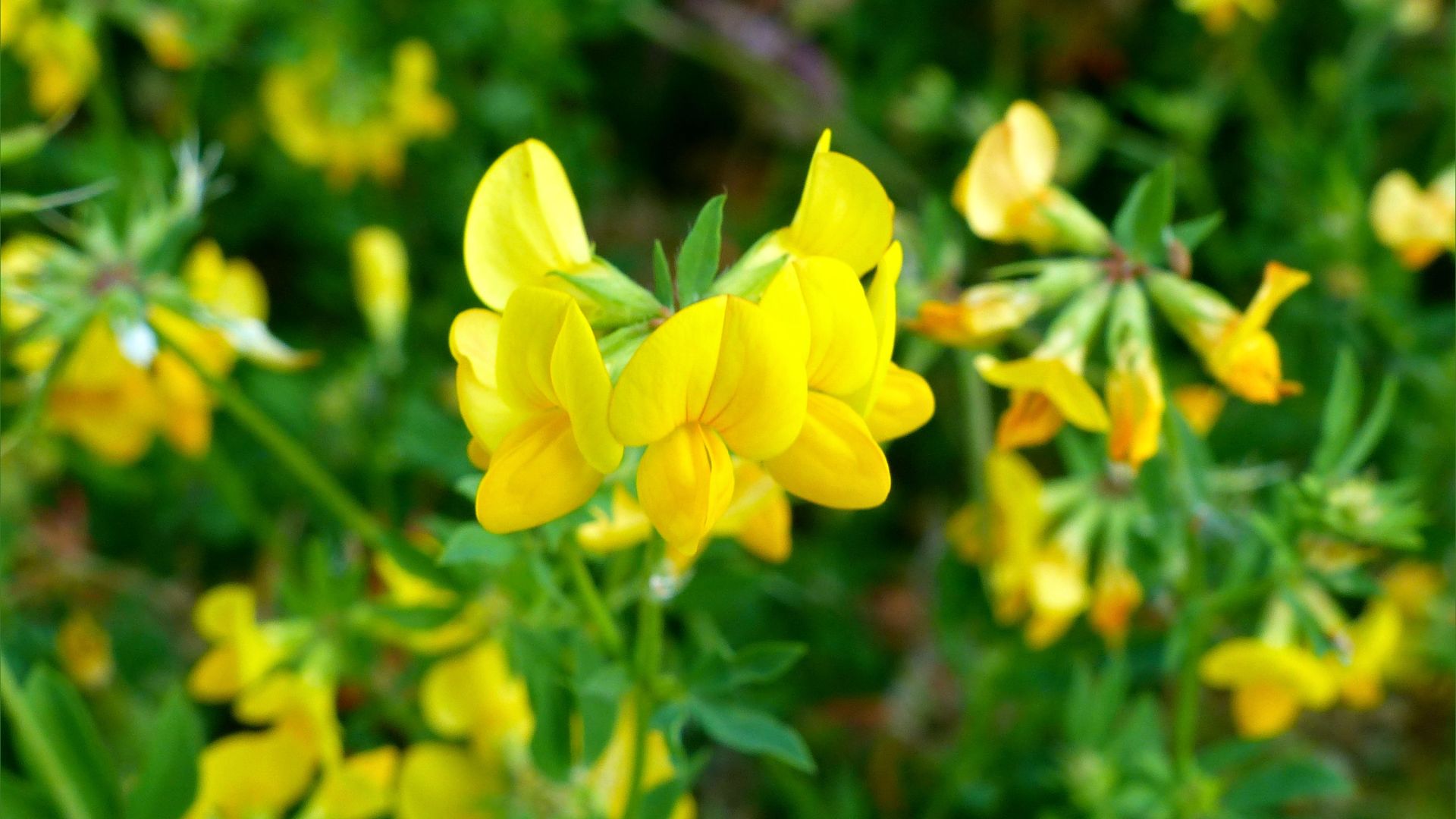

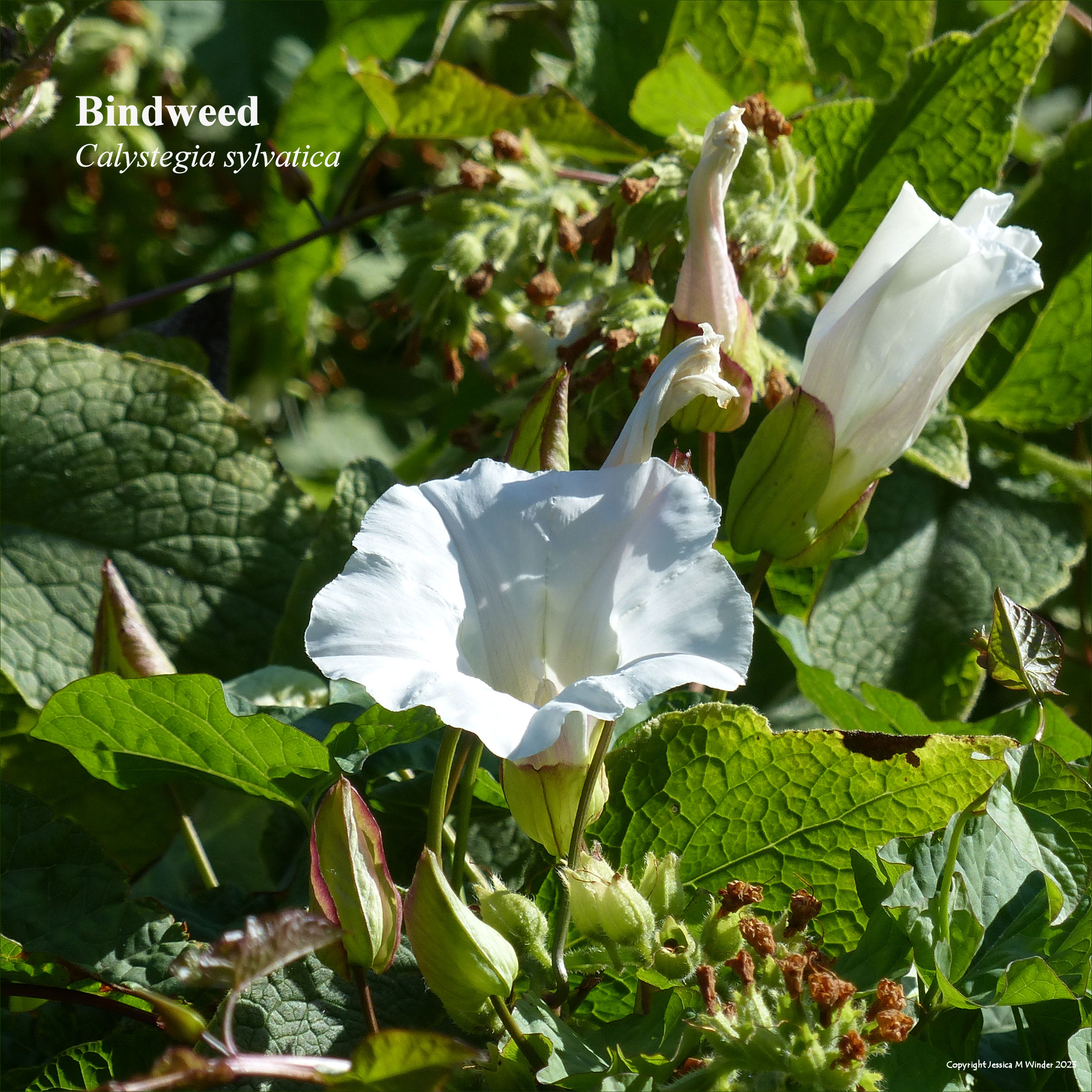

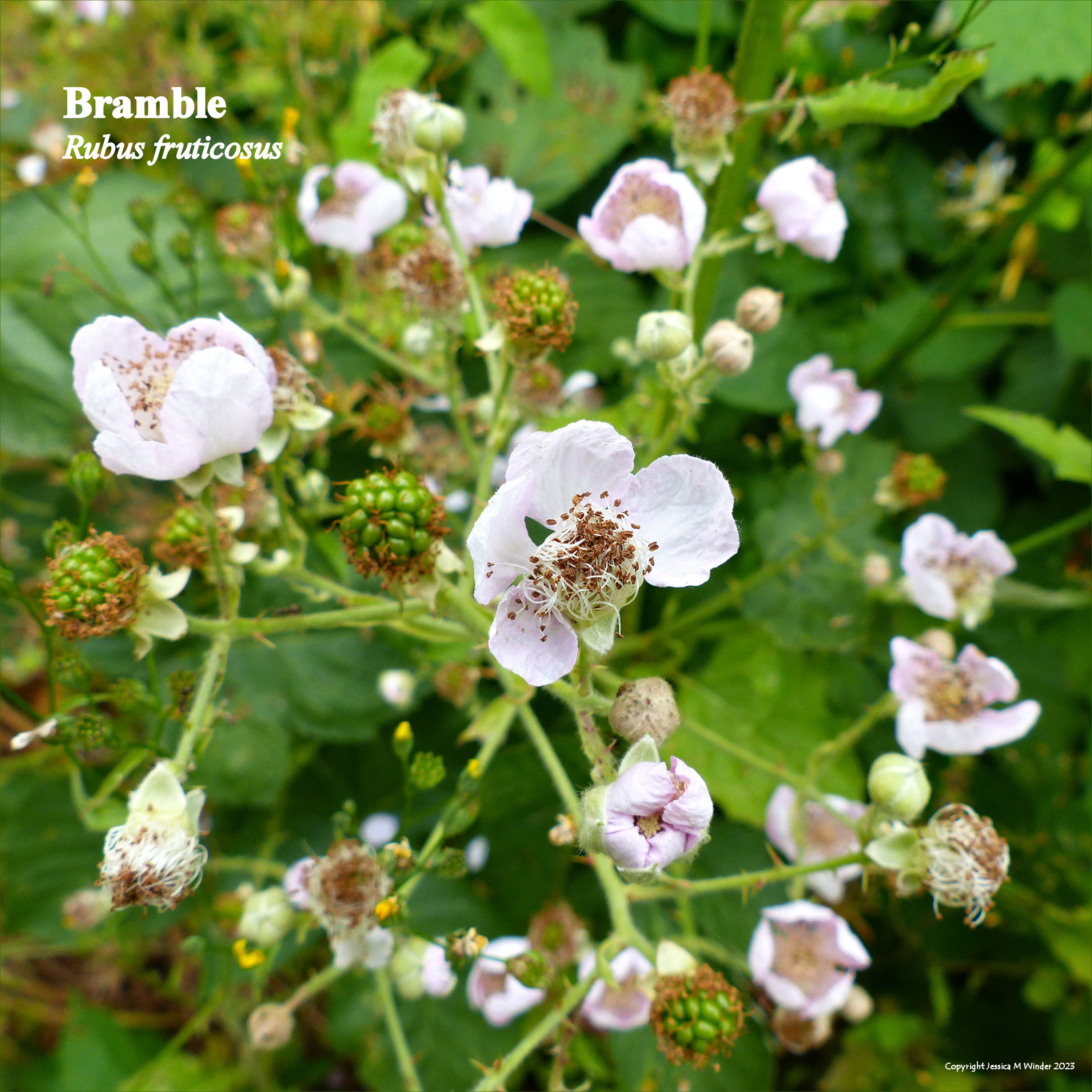
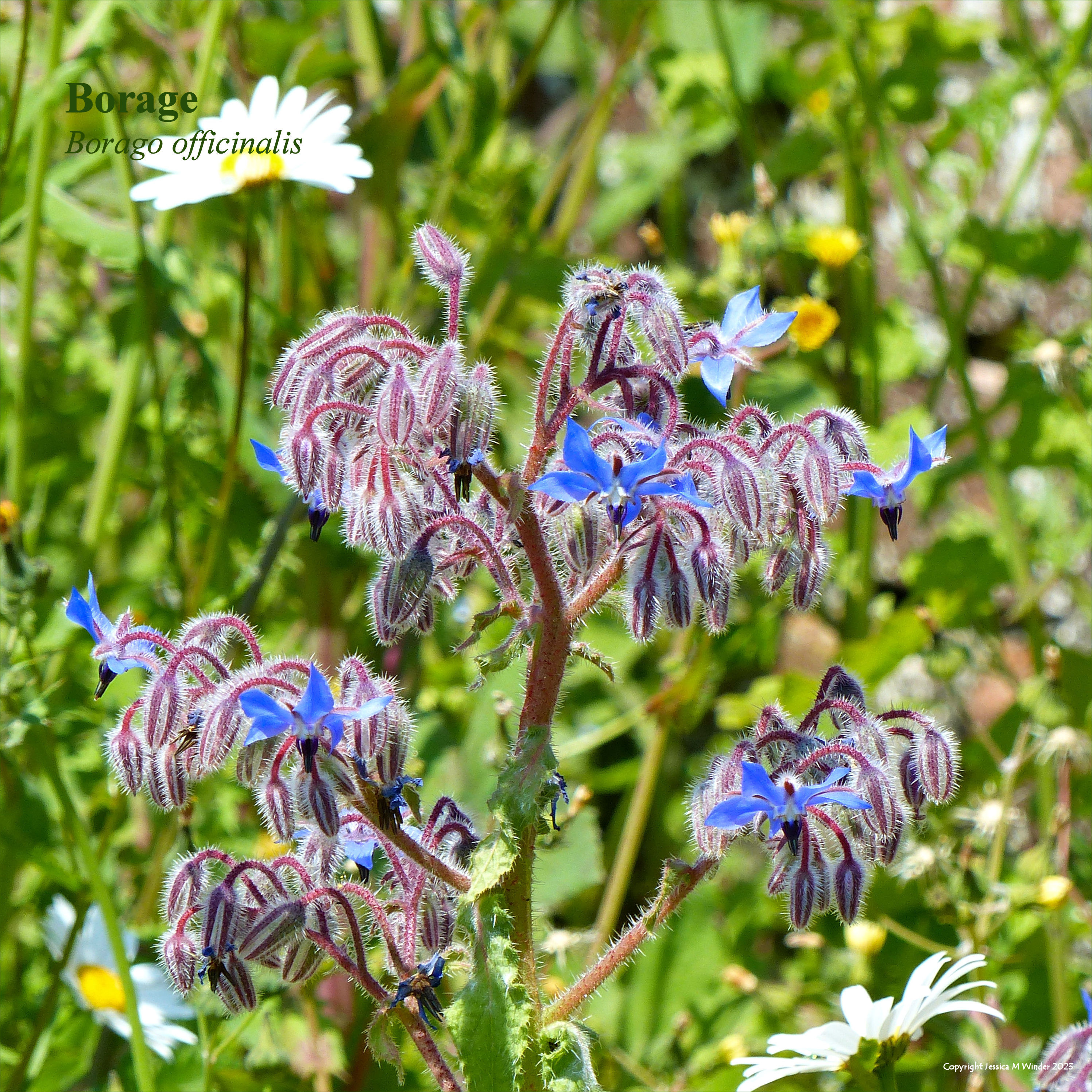

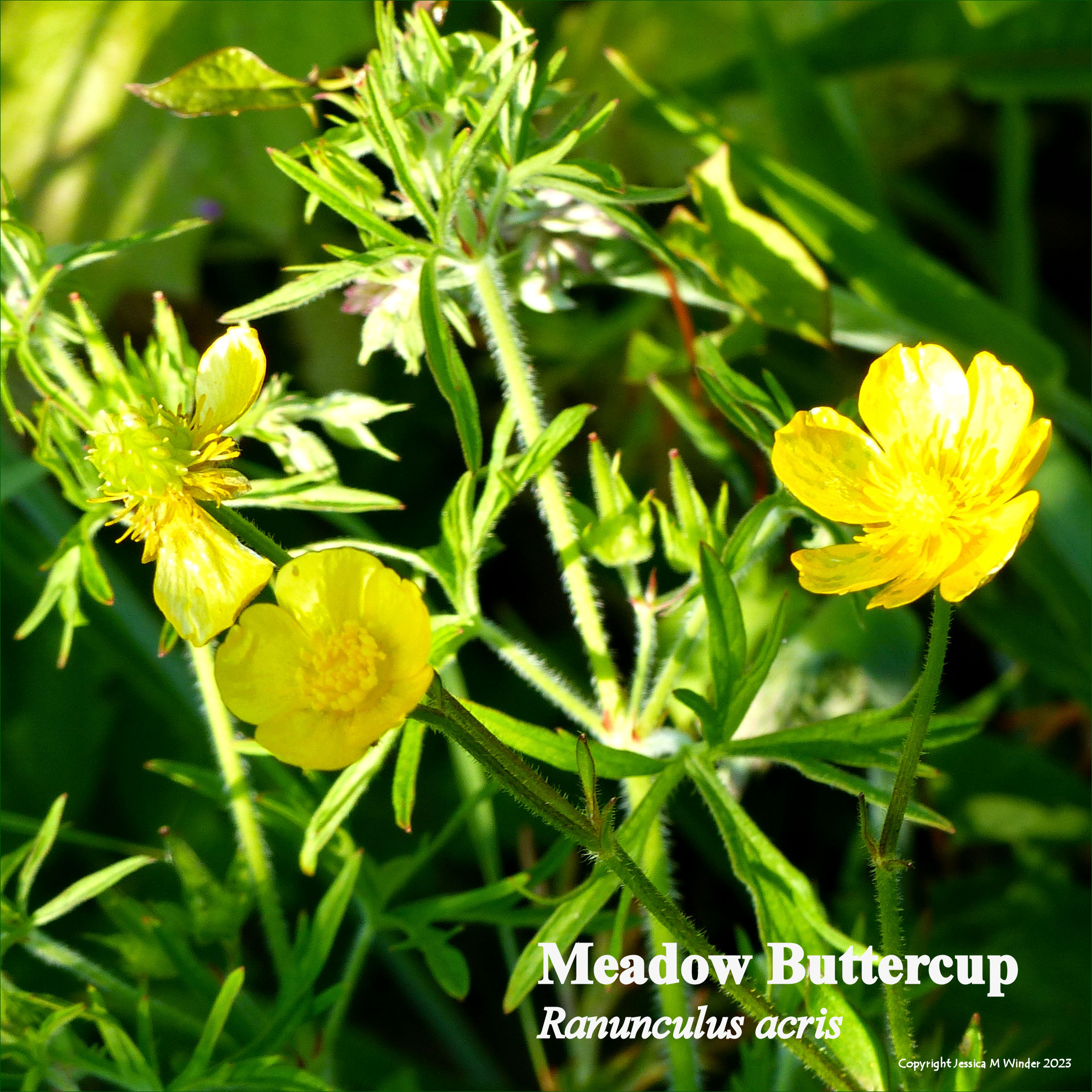


This is the 17th post about the transition of a piece of waste ground, with an assemblage of mostly wild native plants, into a designated wild garden. The most impressive display of flowers was probably in June, and by the end of the month many plants were already forming seeds or generally dying back. With a wild garden it is essential to overcome any urge to dead-head or cut back. It is more important to leave things alone as far as possible for as long as possible if your intention is to provide a food resource and refuge for wildlife throughout the year and increase biodiversity.
Of course, if the aim of the garden is simply to grow decorative wild flowers that supply nectar and pollen for insects in the warm months, that is another matter. However, it seems a very bad idea to encourage insects to feed, breed, and lay their eggs on the plants which are then removed in the interests of tidiness. All the eggs, larvae, and pupae that remain in, on, or under the plants will be destroyed along with seeds for birds, and food and shelter for a plethora of other creatures. All in all, it seems that lots of decisions need to be made about how to manage a wild plot like this to balance the various expectations and needs of all parties concerned – including those without voices.
The picture gallery (1) illustrates some of the plant species found in the wild garden in June and early July 2023.
 Jessica's Nature Blog
I never knew what borage looked like. What a lovely plant—at least as you have presented it in your fine photograph. I will be sorry when this series ends—or maybe it will never end.
LikeLiked by 1 person
Borage is a lovely plant and it is edible too. You can use the blue flowers to decorate salads, soups and drinks. If the hairy outer skin is peeled off the stalks, the inside is a bit like cucumber and can be added to summer cold drinks – both flowers and stems are traditionally used in “Pimms” (is that something you have where you live?)
LikeLiked by 1 person
I’ve heard ot a Pimms cup, but never had one. Maybe I only read about it in English literature.
LikeLiked by 1 person
There are also recipes for pickled gherkins, in which borage is used. Likewise, borage is one of the herbs used in the “Frankfurt green sauce” (https://de.wikipedia.org/wiki/Frankfurter_Gr%C3%BCne_So%C3%9Fe). In short, a versatile kitchen herb.
LikeLiked by 1 person
I really appreciate your wise words . Our road side wild plants seem to be cut just as they are forming seeds. Sad.
LikeLiked by 1 person
It could be a very English style of alcoholic drink.
LikeLiked by 1 person
Thank you, Nannus. I was not aware of any other culinary uses for borage.
LikeLiked by 1 person
Thank you, Sandy. It is a sad truth that some attempts to be wildlife friendly in gardening terms sometimes feed the insects in the short term and then unwittingly destroy the next generation of them through a fetish with tidiness..
LikeLike
Magnificent wildflowers. 🤩
LikeLiked by 1 person
Thank you, Markus.
LikeLiked by 1 person