
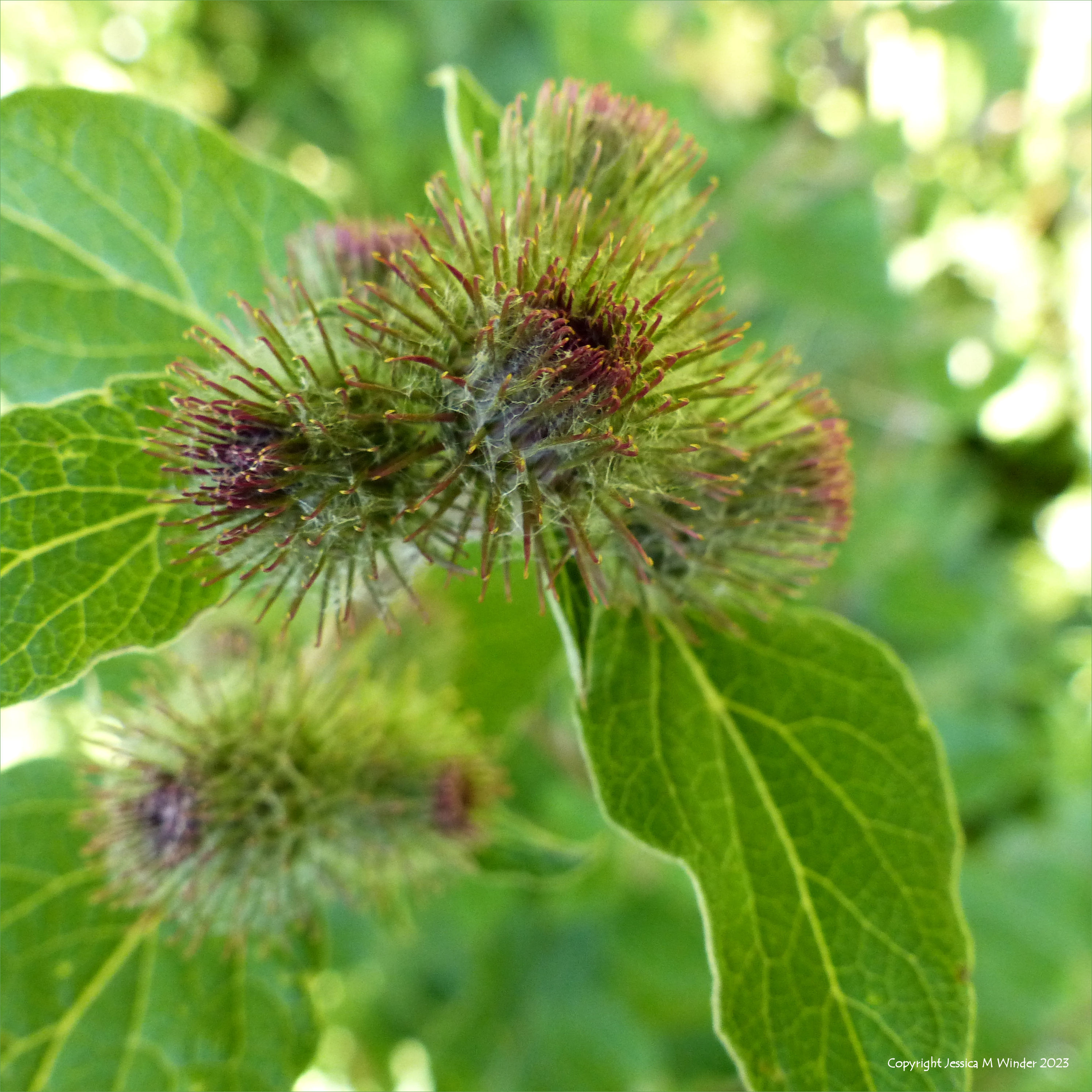


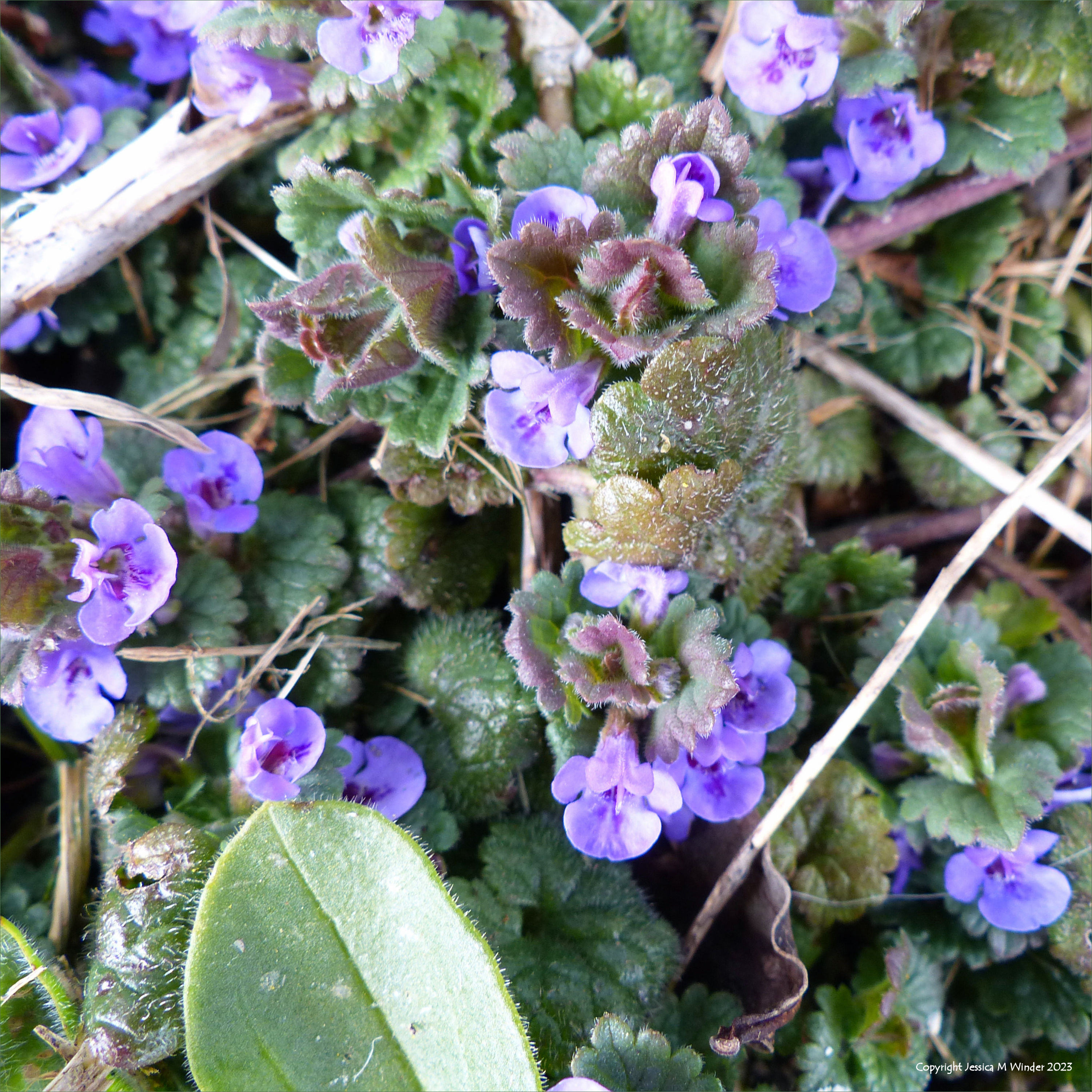
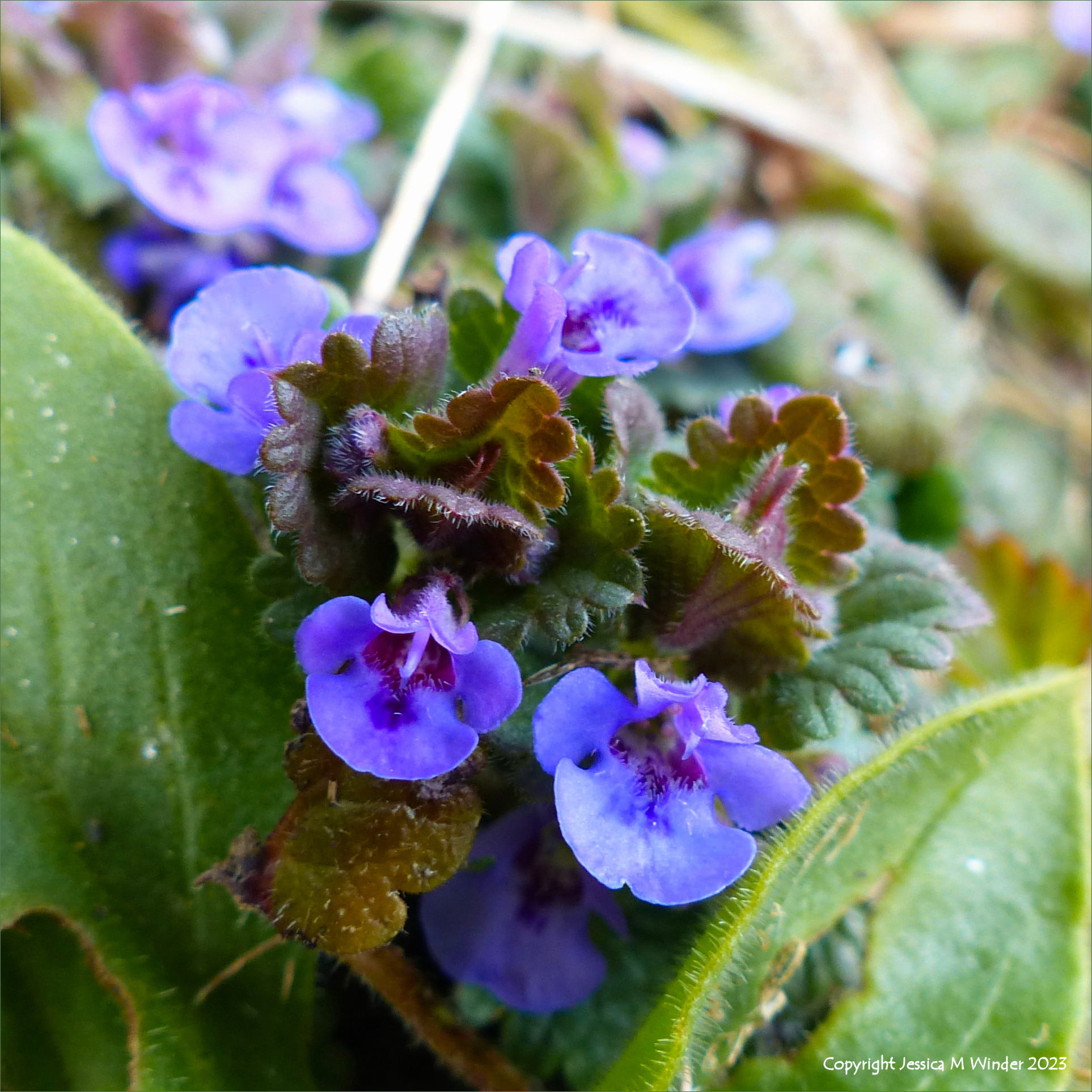
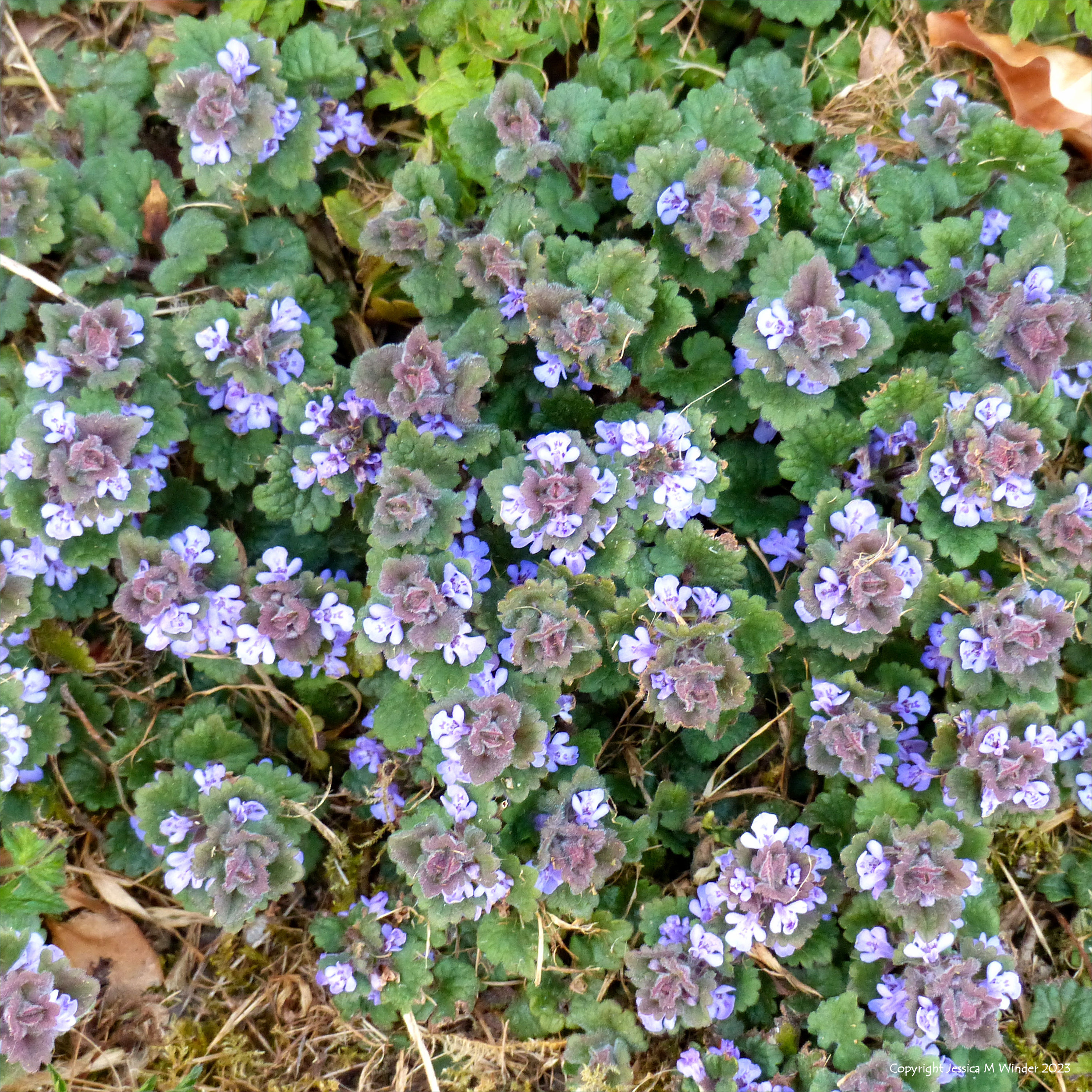
This is the 9th post about the transition of a piece of waste ground into a purposed wild garden. These photos were taken during the year 2020 when it was in its natural state, that is to say, the “before” pictures, when there were already lots of interesting flowering plants, mostly native species but some escapees from gardens. The images this time feature two wild flowering plants. First (top gallery), Burdock, probably Lesser Burdock (Arctium minus) based on flower shape – but could be Greater Burdock (Arctium lappa) based on the greater height. Second (lower gallery), is Ground Ivy (Glechoma hederacea) which was growing extensively low down as ground cover amongst nettles, docks, and other taller plants.


 Jessica's Nature Blog
💜 Ground Ivy is a very beautiful and interesting plant—as long as you don’t have it growing in your lawn, of course. 😉
LikeLiked by 1 person
That is an interesting point of view, Markus. I know that lots of people like neat and single-species short-cut grass. My Father always wanted to achieve the perfect lawn. My own preference would be a “lawn” entirely covered in ground ivy or any other low growing native flowering plants such as clover, chamomile, thyme, buttercups, daisies, and dandelions, that would provide food for the insects at the same time as minimising time spent on maintenance.
LikeLiked by 1 person
Our garden is a combination of 950 square yards lawn, 2,400 square yards rough pasture and wildflower strips, and a kitchen garden. Plenty of space for many animals (🪱🐜🕷️🪲🐞🦗🐝🐌🦋🦇🐦⬛🪿🦉🦅🐁🦔🐇🦊). Currently we even give accommodation to a roe family (1 buck, 1 doe and 2 fawns). Oh, and we have pheasants too. 😊
LikeLiked by 1 person
That is impressive. You are very fortunate. Your garden must be a source of constant delight to you, and a great resource for the wildlife. 😊
LikeLiked by 1 person
Thank you, Jessica. My wife and I indeed feel blessed to live in the country. 😊
LikeLiked by 1 person